Review of The Singer in My Band by This Is Lorelei
The nightmare of any band announcer: This is This Is Lorelei. An artist I had never heard of, operating in a genre I don’t usually get interested in, came across my path with The Singer In My Band.
What started off as a side project for musician Nate Amos, best known for his work in Water From Your Eyes, which shows his affinity with long and poetic naming, became its own fully self-recorded, produced, and played album.
“Come on, lock into my thirty-four minutes. You can do this!” – Nate Amos
And I took that as a challenge! The 34-minute tracklist on first listen radiates creative freedom, with the lyrics making it all feel vague but not gibberish. The genre hopping from Alt-Country to Indie Rock makes it feel like more than just another modern Alt-Country album. After doing some research, it really fits his story. Growing up with both parents as bluegrass musicians, everything on this album sounds straight out of the reality and fantasy of Amos himself, without any of the tracks feeling like they were made solely for commercial success.
“As someone whose life and thought processes have been very influenced by music that I’ve consumed over my life, the idea of wielding that power freaks me out a little bit. [So] this album has been the process of accepting the job, and exposing myself as much as possible within the album to kind of like, get over the nervousness.” – Nate Amos on NME
The opening track, “I Will Eat My Heart in the Morning Light,” eases you into the album with a personal introduction to Amos and his feelings about being a musician. It feels like he’s stepping out from behind the curtain and putting himself in the spotlight, making this album as much about himself as it is about the music. In an age where so much music seems designed to grab your attention within the first few seconds with an instant dopamine rush, I appreciate an artist who isn’t afraid to take his time. Amos gives you a moment to adjust to his voice, his personality, and the world he’s about to take you into.
“I think it’s good but it’s hard to sing. I hope you like it.”
A real tongue-twister. “Oh No Now My” (Joey), try singing that as fast as you can, I dare you! What makes the song stand out is the sudden shift from Country into Amos’ Indie side. It keeps the album from blending into the current Alt-Country trend, where the same dusty guitars and familiar song structures can start to feel repetitive. The changing instrumentals give each track its own atmosphere, almost like separate little capsules, while still keeping the album feeling cohesive.
“And you don’t know if he gets high to sing the old music
But without that love a track is just a track
And when he sang that love, we all came running back to hear him sing”
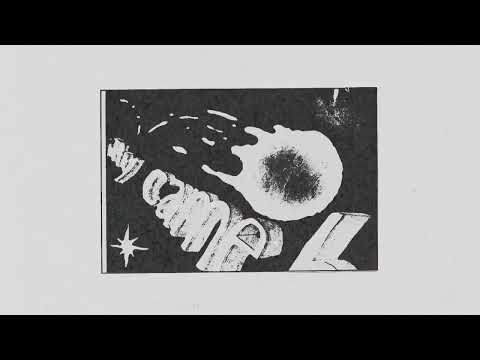
“One of the standout tracks: “Billy Came Back. First off, that opening had me doubting I was listening to “APT.”, but that was quickly shattered because I was not in a supermarket or in the office. Billy Came Back gives me such a warm and nostalgic feeling for a road trip and a man I never even experienced myself. The lyrics are at their best here, making it feel like Amos has turned a brief encounter with a man he met on the road into a much grander memory that somehow left a lasting mark. Maybe that’s what makes it so relatable. We all have our own Billy.
“The ideas incubated while daydreaming in the car without access to any instruments, so instead of being home and writing on the guitar or a computer, they developed slowly and subconsciously, existing as a sort of intangible thing while looking out the van window.”
“Watching Heaven Fall” sounds like the soundtrack to a happy, sunny road trip that exists somewhere inside Amos’ head. The combination of warm guitar strumming, layered vocals and that consistently strong bassline makes it almost impossible to sit still and not picture yourself behind the wheel. Windows down, nowhere to be, just driving through some endless American landscape. Or, realistically, the Drunense Duinen. Either way, the song carries this simple kind of happiness that makes you want to get in the car and experience it for yourself.
“Sailing (Your Baby’s Down)” is the first track that doesn’t really connect with me. Amos’ vocals feel weak, especially during the opening, although the multi-vocal chorus is one moment where I can kind of understand the creative choice. It gives the track some of the layered personality found elsewhere on the album. But overall, it lacks the power that made the other tracks stand out and feels more like a filler track than one of those road stories Amos talked about. It feels more like something that had to be there than something that needed to be there.
“The Singer In My Band” goes full Country, with Amos’ dad playing the banjo and a flow in the lyrics that feels as dusty and old as Country gets. It’s a little bit of a letdown for the title track, especially after the creative freedom shown throughout the first few songs on the album, as I was hoping for something a little more adventurous. But having some more straightforward Country storytelling doesn’t hurt the album. If anything, it adds another layer to the story of growing up with bluegrass musicians and makes that influence feel even more present.
“I’m anti the whole concept of artists having the answer. I think the point of art is to help people find their own answer. There’s no solution being proposed, it’s just an acknowledgement of, ‘We are here together, and this is the reality, but we also do have each other, and that is also a part of this reality.” – Nate Amos
“Nitro” is a nice segue into “Hey Sarah Is It Gonna Rain Forever,” with the former feeling like a “My New Band Believe” moment. Both have a love for naming things in full sentences instead of just words, while also getting more out of the acoustic guitar than you might expect. But that comparison breaks apart halfway through, with the track turning into a stomping rhythm while still keeping the acoustic guitar at its core.
Lyrically, this is where Amos’ honesty and down-to-earth character really shines through. The whole track feels like Amos is singing as a character, asking Sarah question after question without ever getting an answer. It also shows that the artist doesn’t have all the answers in life either, making the song feel strangely personal despite how little we actually know about Sarah.
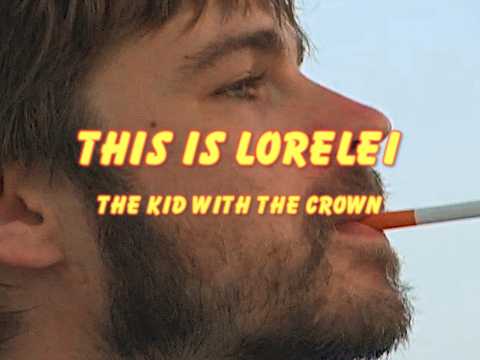
“’The Kid With the Crown’ is the opposite of ‘Oh No Now My’ in that it was plucked and preserved at an early age. The album needed an untied shoelace and this is what I came up with,” – Nate Amos
“The Kid With the Crown” sounds like one of the first tracks written for “The Singer In My Band,” almost acting as a prototype for the album and setting the tone and feeling for what would come after it. It has the foundation of what makes the album work, but it lacks the character that tracks like “Billy Came Back” bring to the table. It feels more like a blueprint for the album than a fully realised part of it.
“And I said, “Every time I see my love, I smile
And I haven’t seen my love in quite a while”
“And I Haven’t Seen My Love in Quite A While” is an underrated track, with a title that is quite the mouthful. The lyrics perfectly capture that feeling of missing someone you love, and personally, they hit home for me. The instrumentals aren’t anything I would call particularly memorable, but lyrics like “Every time I hear your voice, I cry ’Cause I only hear your voice now in my mind” make this feel like Amos at his most vulnerable. Especially on an album he has already described as being vulnerable, there is something about how openly he delivers these feelings that makes the track stand out.
Personally, I think the album should have ended with “And I Haven’t Seen My Love in Quite A While.” “Don’t You Cry In Lonesomeness” has that same vulnerability, but without the same impact. The simple guitar doesn’t feel as well executed as the rest of the album, and instead of giving the album a final emotional moment, it feels like a rushed ending.
This was This Is Lorelei’s The Singer In My Band, and I was pleasantly surprised by the amount of personality packed into these tracks. What started as a side project turned into an album that feels genuinely personal, creative and unafraid to show its rough edges. It makes sense that bigger artists and labels are starting to call him an indie legend on the rise. After listening to this album, I’m definitely interested in seeing where Amos takes This Is Lorelei next.
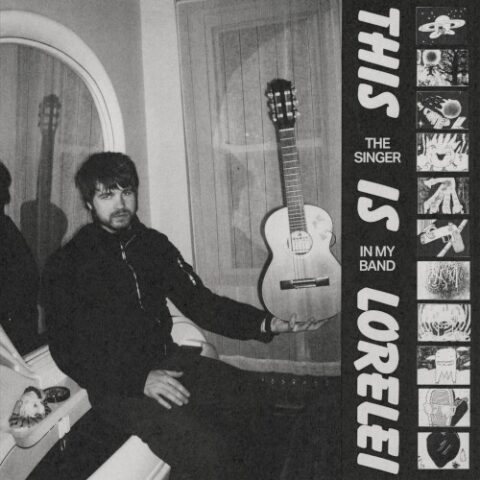
Album Artwork
Cover art by This Is Lorelei
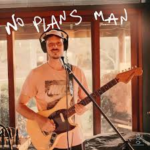
Balancing his guitar on the front of the album, the photo used for the cover art seems to have been taken on a phone during a party or event. It fits the current trend of using normal-looking photos to give an album a more personal touch.
The photo is a nice touch, but I think the real care and love went into all the loose illustrations for each song, displayed together in a Japanese OBI strip. The name of the album and artist are smartly displayed vertically, while the typography was professionally chosen to make it easy for an unfamiliar listener to understand that This Is Lorelei and The Singer in My Band are separate names, even though they are displayed together.
I also love that the vinyl's inner sleeve has the illustrations in colour. It gives the whole thing a fun effect when pulling the sleeve out. More importantly, it makes sure the illustrations aren't just tiny images that exist for a few pixels on a screen, but each gets its own space and meaning. My guess, although I couldn't confirm this, is that these were all personally drawn by Nate himself.
It's a great mixture of a simplistic photo that fits the modern alt-country genre and the more creative, indie side of Nate, showcased through the illustrations.
Featured Tracks

editorial




No reviews yet
Be the first to share your thoughts on this album.